How (and why) you should spend winter outdoors.

Jan, 01 2026
10 min read

This generation of children spends the least amount of time outdoors, raising concerns about how reduced time
outside impacts their health, development, and overall
well-being.

Why is this alarming?

Researchers report that children who play outside are healthier, happier, more attentive, and less anxious than kids who spend more time indoors. A reduced amount of time spent outdoors by children has been associated with a decrease in sensory engagement, difficulties in attention, and elevated rates of emotional illnesses such as anxiety and depression.

There is also an alarming rise in myopia in children, or nearsightedness. Children need direct sunlight for their eyes to develop properly. Several studies, including meta analyses, have found an association between increased outdoor time and a lower risk of myopia in children.
Fast Fact

Only 1 in 5 American children play regularly outside, compared to more than 80% of their parents’ generation.

Research shows that children who spend more time outside playing experi-ence a wide range of benefits, from stronger immune systems to improved focus and social-emotional development. They are often more attentive, better able to regulate emotions, and show fewer symptoms associated with attention-related challenges. Time outdoors also supports executive functioning skills, helping children build the ability to plan, problem-solve, 
and adapt.

You don’t get sick from the cold.

The idea that cold weather alone can directly cause illness is a common misconception. Colds and flu are caused by viruses, not exposure to cold temperatures.

Optional image caption lorem ipsum
dolor sit amet porta ligula nullam eget.

During colder months, people often spend more time indoors in close proximity to each other, which can facilitate the spread of viruses from person to person. Indoor heating systems can also dry out the mucous membranes 
in the nose, making individuals more susceptible to viral infections.

What to wear for outdoor play in winter.

The key to comfortable outdoor play in winter is layering. Layers help trap heat while allowing you to adjust throughout the day based on temperature and activity level.
It’s always helpful to check the “real feel” of the day and periodically check your child’s neck for sweat to make sure they are not over-bundled. Starting warm is important, but flexibility matters just as much—you can always remove layers as your child warms up.
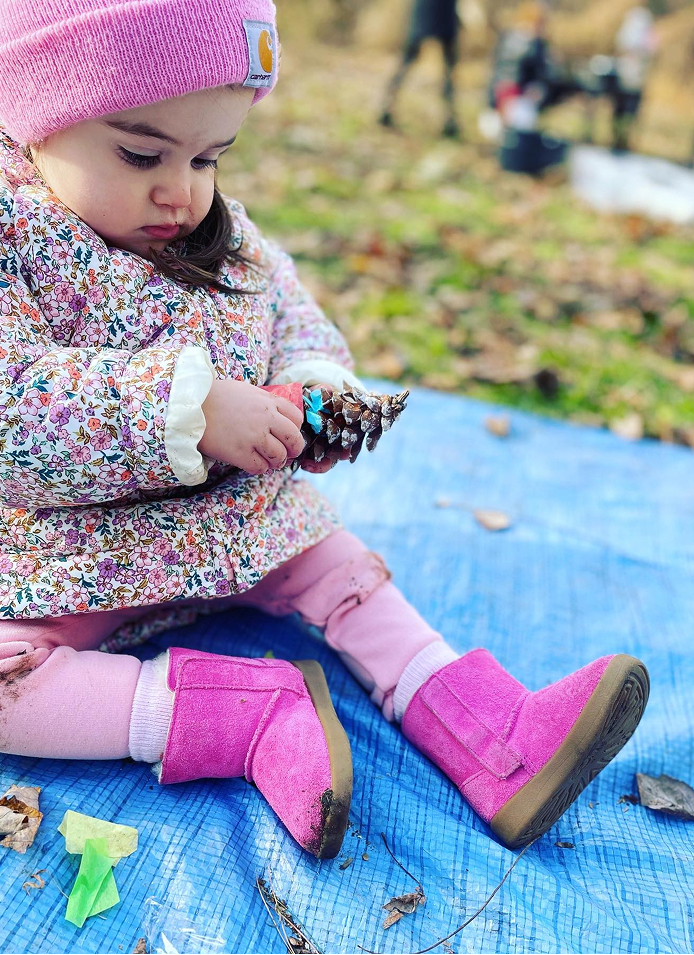
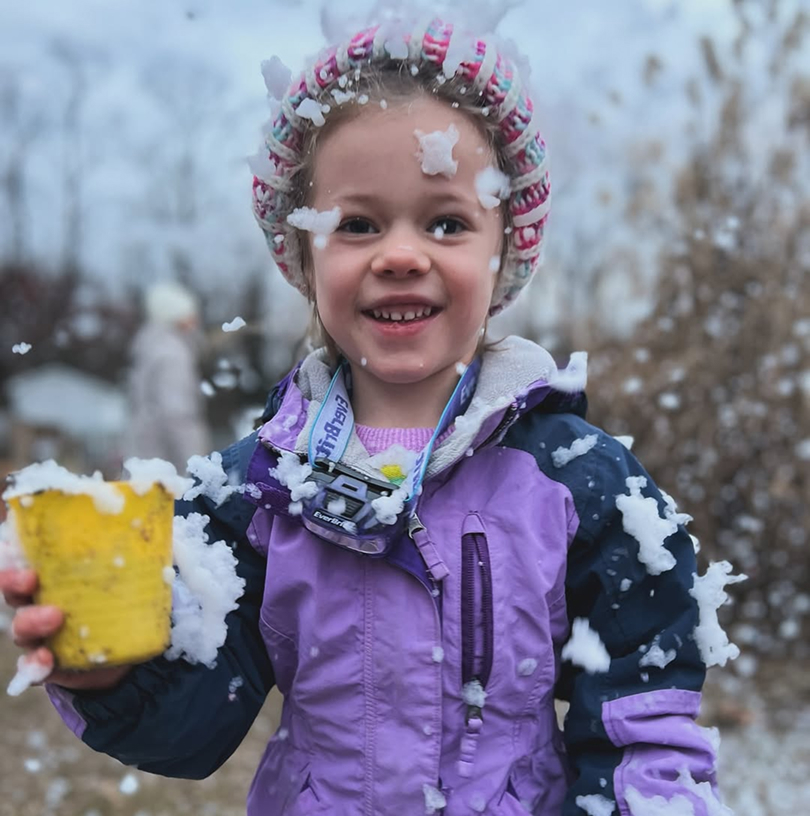
On milder winter days, a base layer, a jacket, and a hat may be enough. As temperatures drop, additional layers, insulated outerwear, and accessories like gloves or mittens become essential. In colder conditions, base layers on both top and bottom, snow pants, insulated boots, and coverage for the head, neck, and hands help keep children comfortable and able to play longer.

Play Video
Optional centered video caption quam
vel laoreet et vestibulum neque nibh pretium.

Winter gear that makes a difference.

The right gear can make a significant difference in how long and how comfortably children are able to play outside.

Base layers play an important role in keeping children warm and dry. Materials like merino wool are especially effective because they insulate even when wet, while cotton tends to hold moisture and should be avoided.

Footwear is just as important. Waterproof, insulated boots help keep feet warm, and it’s important to make sure there is enough room for thicker socks. Rain boots alone are not designed for cold temperatures and may not provide enough insulation.

For outerwear, fleece-lined or insulated pants can work well for milder conditions, while snow pants offer versatility and can be worn even when there isn’t snow on the ground. Jackets should be waterproof, breathable, and properly fitted to keep warmth in without restricting movement.

Accessories also matter. Mittens often keep hands warmer than gloves because fingers are not separated. Neck warmers help retain heat more effectively than scarves, and balaclavas are especially helpful for younger children since they stay in place and provide full coverage.

Winter tips for toddlers.

Outdoor play with toddlers can come with a few extra challenges, especially when it comes to keeping gear on and maintaining warmth.

Optional image caption lorem ipsum.

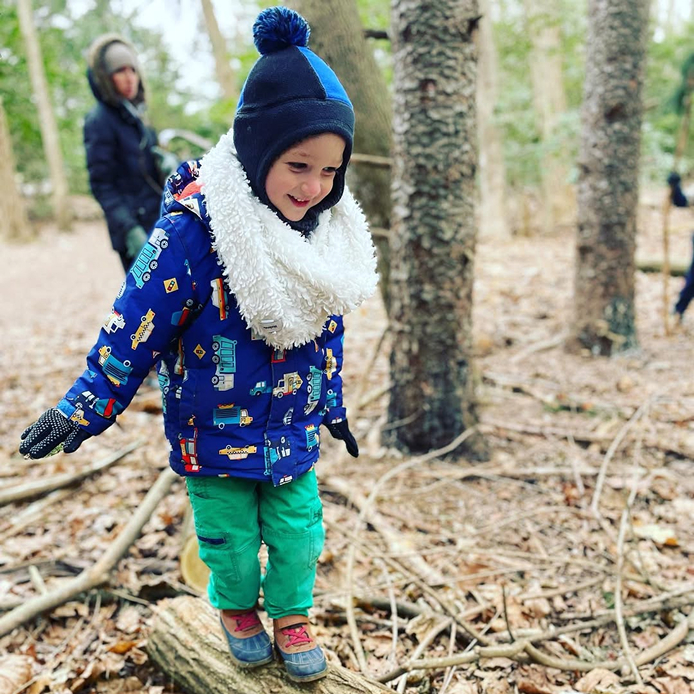
A one-piece snowsuit can be especially helpful, even when there isn’t snow, because it helps prevent cold air from getting in. Layers are essential, allowing you to adjust as your child warms up during play. Starting warm is key—children who go outside already cold are more likely to stay cold.

For children who resist wearing gloves or mittens, keeping an extra pair nearby, especially with hand warmers inside, can make a big difference. When their hands begin to feel cold, offering a warm pair can help ease the transition.

Investing in a quality base layer is also worthwhile, as it can be used across seasons, either on its own during milder weather or as the foundation for layering in colder conditions.

How cold is too cold?

With proper clothing, supervision, and attention to conditions, children can safely play outside in temperatures above 14°F.

As temperatures drop, it’s important to take a few extra precautions:

  • keep outdoor time shorter
  • monitor exposed skin
  • make sure mittens and socks stay dry and warm

Frostbite most commonly affects fingers, toes, ears, noses, and cheeks. 
Skin may become extremely cold and firm and can change color depending on severity, making it important to check regularly during colder outings.

From the Field

“In Denmark, it is a common practice for babies to sleep outside, even in colder weather.”

Dr. Jane Smith

Pediatric OT, Children’s Hospital

A different perspective on winter.

In Denmark, it is a common practice for babies to sleep outside, even in colder weather. Many parents believe that fresh air supports a child’s health and overall well-being, and it is not uncommon for babies to nap outdoors in temperatures around or even below freezing.

This perspective reflects a broader belief that time outside, even in colder conditions, can be beneficial when approached thoughtfully and safely.

Getting outside this winter.

Don’t get stuck indoors as temperatures drop over the next few months. With the right layers and preparation, outdoor play can remain a meaningful and enjoyable part of everyday life.

Even if outings are shorter, getting outside for fresh air and movement is always worth it. And no matter the temperature, don’t forget to stay hydrated.

Download Guide

Download the Winter Outdoor Play Guide to keep these tips on hand throughout the season.